
Most people get nervous before a job interview or a first date. Social anxiety is different. With social anxiety disorder, the fear of being judged or embarrassed is strong enough that you plan your life around it: skipping the meeting, letting calls go to voicemail, leaving the party early.
It is also common. According to the National Institute of Mental Health, about 7.1% of US adults had social anxiety disorder in the past year, and about 12.1% will have it at some point in their lives. It also responds well to treatment.
Social Anxiety vs. Shyness: How to Tell the Difference
Shyness is a temperament trait. A shy person may feel awkward at first, but the discomfort fades as they warm up, and it rarely stops them from doing what they need to do. Social anxiety disorder is a diagnosable condition: the fear is intense, persistent, and out of proportion to the situation, and the avoidance interferes with work, school, or relationships for at least six months.
| Shyness | Social anxiety disorder | |
|---|---|---|
| Intensity | Mild to moderate discomfort | Intense fear or dread, sometimes panic |
| Anticipation | Brief nerves beforehand | Worry that can start days or weeks ahead |
| Avoidance | Rarely skips things that matter | Avoids situations or endures them with distress |
| Afterward | Moves on | Replays the event, hunting for mistakes |
| Impact | Little effect on daily life | Affects school, career, friendships, and dating |
What Social Anxiety Feels Like Before, During, and After
Social anxiety disorder tends to follow a three-part cycle.
Before: anticipatory dread
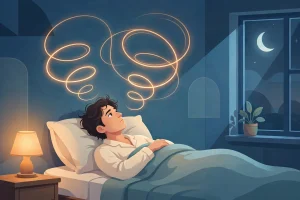
The anxiety can start weeks before the event. You rehearse what you will say, picture everything going wrong, lose sleep, or look for a reason to cancel.
During: physical symptoms and self-monitoring
In the moment, your body reacts as if it were under threat. Common social anxiety symptoms include:
- Blushing, sweating, or trembling
- A racing heart or nausea
- A shaky or very soft voice
- Your mind going blank
- Trouble making eye contact
Fear that others will notice these signs adds a second layer of anxiety. This overview of how anxiety shows up in the body explains why it happens.
After: the post-event replay
Afterward, your mind goes back over the conversation, searching for anything awkward you said or did. This review is tilted toward the negative and can last for days. That repetitive thinking is a form of rumination, and it makes the next event feel even more threatening.
Common Situations That Trigger Social Anxiety
Classic triggers include meeting new people, public speaking, parties, job interviews, eating in front of others, and using public restrooms. Modern life adds more:
- Video calls, especially with your own face on screen
- Phone calls, including ordering takeout or scheduling an appointment
- Speaking up or turning on your camera in a work meeting
- Group chats, where you draft and redraft a message or worry about who did not reply
- Dating apps, from writing a profile to the first in-person meeting
Performance Anxiety and the Performance-Only Type
Some people fear only speaking or performing in front of others, such as giving a presentation, while everyday conversation feels fine. This is the performance-only type; broader social anxiety disorder reaches into many social situations.
CBT with practice in the feared situation helps both. For predictable performances, the NIMH notes that beta-blockers are commonly preferred; propranolol is the best-known one. Know their limits:
- They blunt physical symptoms only (racing heart, sweating, tremor), not the fear of judgment.
- Use for anxiety is off-label. Propranolol is FDA-approved for conditions such as high blood pressure and migraine, not anxiety.
- They do not treat generalized social anxiety disorder.
- They are not safe for people with asthma or certain heart conditions, so the decision belongs to a prescriber who knows your medical history.
What Causes Social Anxiety
There is no single cause. Contributing factors include:
- Family history: Anxiety disorders run in families, through a mix of genes and learned behavior.
- Temperament: Children who are shy or hesitant in new situations are at higher risk.
- Experiences: Teasing, bullying, rejection, or a humiliating event can make social situations feel threatening.
- Brain fear circuits: Threat-detection areas, including the amygdala, may respond more strongly.
- New demands: A job that requires presentations can bring symptoms to the surface.
It usually begins in childhood or the teen years and is more common in women. The Anxiety and Depression Association of America puts typical onset around age 13 and notes that many people wait about 10 years before seeking help, often because they assume it is just their personality.
Avoidance and Safety Behaviors Keep Social Anxiety Going
Avoidance brings relief in the moment, which makes it hard to stop. Every skipped event teaches your brain that the situation was dangerous and that you escaped, so the fear grows.
Safety behaviors are subtler. They are things you do to get through a situation while feeling protected, such as:
- Rehearsing sentences in your head while someone else is talking
- Staying next to one trusted friend all night
- Wearing extra layers or makeup to hide blushing or sweating
- Drinking alcohol before events to loosen up
- Keeping answers short so no one asks follow-up questions
These keep your attention pointed inward and stop you from learning that you could cope without them.
Conditions That Often Overlap With Social Anxiety
Depression, other anxiety disorders, OCD, ADHD, body dysmorphic disorder, and bipolar disorder commonly co-occur with social anxiety disorder, along with alcohol and substance misuse. A few overlaps are worth knowing:
- Depression: Years of avoidance can shrink your social world and lower your mood.
- Alcohol to cope: Drinking to get through social events can turn into a separate problem.
- ADHD and rejection sensitivity: Many people with ADHD describe intense reactions to criticism or perceived rejection, sometimes called rejection sensitive dysphoria. That can look like social anxiety, and the two can coexist.
- Autism: Autism and social anxiety can share outward signs, such as avoiding eye contact, so telling them apart (or recognizing both) takes a careful evaluation.
If you are in crisis or thinking about harming yourself, call or text 988 (Suicide and Crisis Lifeline). If there is immediate danger, call 911.
Social Anxiety in Children and Teens
In young children, social anxiety can look like clinging, crying, tantrums, or refusing to speak in front of others. In teens it often shows up as:
- School avoidance or stomachaches and headaches on school days
- Refusing to order food, answer the phone, or ask a teacher a question
- Few friends, or dropping activities they used to enjoy
- Intense distress about presentations or eating in the cafeteria
Some children speak normally at home but not at all at school or with unfamiliar adults. This is called selective mutism, and it often occurs alongside social anxiety disorder.
About 9.1% of adolescents ages 13 to 18 have had social anxiety disorder, according to NIMH survey data. Untreated social anxiety often persists into adulthood, though the course varies: symptoms may ease, come and go, or stay steady. Early treatment tends to help, so if these patterns last for months, an evaluation with a child and adolescent psychiatrist is a reasonable next step. Treatment centers on CBT with gradual exposure, with parents learning to support practice at home.
No medication is FDA-approved specifically for social anxiety disorder in children or teens. Clinicians sometimes prescribe an SSRI off-label for a young person, usually alongside therapy, after weighing benefits and risks with the family. All antidepressants carry a boxed warning about an increased risk of suicidal thoughts and behaviors in children, teens, and young adults, so close monitoring is part of the plan, especially in the first months and after dose changes.
Social Anxiety Treatment: Therapy and Medication
Most treatment plans include therapy, medication, or both.
Cognitive behavioral therapy with exposure
CBT is the first-line therapy. It helps you spot predictions like "everyone will see I am nervous" and test them. Exposure is the active ingredient: you practice feared situations in planned, gradual steps built around your own triggers, often while dropping safety behaviors. Group CBT can be especially useful because the group itself becomes practice. CBT usually runs for a limited number of sessions, and its benefits can last well after therapy ends.
Social anxiety medication
Three antidepressants are FDA-approved for social anxiety disorder in adults:
- Sertraline (Zoloft), an SSRI (see the FDA label)
- Paroxetine (Paxil), an SSRI
- Venlafaxine extended-release (Effexor XR), an SNRI
Other drugs in these classes are sometimes used off-label. Here is how SSRIs and SNRIs differ. Beta-blockers are not FDA-approved for any anxiety disorder; their off-label role is limited to performance situations, as described above.
These medications take several weeks to start working, so early visits focus on finding a tolerable dose. Side effects such as nausea, headache, or sleep changes are often mild when the dose starts low and rises slowly. Benzodiazepines act quickly but carry risks of tolerance and dependence, so they are generally limited to short-term use. Do not start, stop, or change a medication on your own; talk with your prescriber first.
Telehealth can lower the first hurdle
For someone who dreads a waiting room or a new face, the first appointment is itself an exposure. Meeting a psychiatrist by telehealth from home can make that step more manageable. You can also read more about how anxiety is treated.
How to Stop Being Socially Anxious: First Steps That Help
You can start before your first appointment, using the same principles as CBT. Build the steps around your own fears and pace, since what feels easy to one person is very hard for another.
- Build a ladder. List your own situations from mildly uncomfortable to very hard. Start near the bottom, such as asking a cashier a question, and repeat each step until it feels easier before moving up.
- Drop one safety behavior at a time. Answer a question without rehearsing first.
- Turn your attention outward. Focus on what the other person is saying, not on monitoring your face or voice.
- Test your predictions. Before an event, write down what you expect. Afterward, compare it with what happened.
- Cut the replay short. Give yourself a few minutes to review, then switch to something that needs your attention.
- Limit alcohol and caffeine. Both can make anxiety worse.
If your symptoms are severe, or you also live with panic attacks, depression, alcohol or drug use, or another complex condition, do exposure work with guidance from a therapist or psychiatrist rather than on your own.
When to See a Psychiatrist for Social Anxiety
Self-help is a good start, but see a professional if:
- You avoid work, school, jobs, or relationships because of fear
- You rely on alcohol or other substances to get through social events
- You also have depression, panic attacks, or thoughts of self-harm
- Self-help has not brought real progress after a few months
A psychiatrist can confirm the diagnosis, check for overlapping conditions, and discuss if medication makes sense alongside therapy. If you are still unsure, these signs it is time to see a psychiatrist for anxiety can help you decide.
Frequently Asked Questions About Social Anxiety
What causes social anxiety?
Social anxiety has no single cause; it usually grows from a mix of genes, temperament, and life experiences. It tends to run in families, and children who are shy or cautious in new situations are at higher risk. Teasing, bullying, or a humiliating event can add to it, and avoidance then keeps the fear going.
How do you overcome social anxiety?
The most effective way to overcome social anxiety is cognitive behavioral therapy (CBT) with gradual exposure, sometimes combined with medication. Exposure means practicing feared situations in planned steps while dropping safety behaviors, so your brain learns you can cope. Medication can lower anxiety enough to make that practice easier. Small steps repeated often tend to work better than one big push.
How do I know if I have social anxiety?
You may have social anxiety disorder if fear of being judged or embarrassed leads you to avoid social situations, or endure them with intense distress, for six months or longer. The key sign is impact: the fear affects work, school, or relationships. Only a clinician can make the diagnosis, and an evaluation also checks for overlapping conditions such as depression or ADHD.
What is the best medication for social anxiety?
There is no single best medication for social anxiety; the right choice depends on the person. Sertraline, paroxetine, and venlafaxine extended-release are FDA-approved for social anxiety disorder in adults, and other SSRIs or SNRIs are sometimes used off-label. A prescriber weighs your history, other conditions, side effects, and past responses. These medicines take several weeks to work.
Does CBD help with social anxiety?
The evidence that CBD helps social anxiety comes only from a few small studies, so it is not a proven treatment. CBD is not FDA-approved for anxiety, and store-bought products may contain more or less CBD than the label states, or traces of THC. CBD can interact with other medicines and has been linked to liver injury, so talk with your prescriber before trying it.
How long does CBT for social anxiety take?
Individual CBT for social anxiety disorder typically takes about 14 to 16 sessions over roughly four months. UK guidelines from the National Institute for Health and Care Excellence (NICE) describe courses in that range for adults, and 8 to 12 shorter sessions for children and teens. Your therapist may adjust the length based on your progress.
Can social anxiety go away on its own?
Social anxiety sometimes eases on its own, but for many people it lasts for years without treatment. Long-term studies show the course varies: symptoms may fade, come and go, or stay steady. Because avoidance tends to keep the fear in place, waiting it out can cost time at school, at work, and in relationships. Getting treatment early tends to help.
Does propranolol help with performance anxiety?
Propranolol can ease the physical symptoms of performance anxiety, such as a racing heart, sweating, and trembling, but it does not reduce the fear of judgment. It is prescribed off-label for predictable events like a presentation and does not treat broader social anxiety disorder. It is not safe for everyone, including people with asthma, so a prescriber has to decide.
Can social anxiety be treated through telehealth?
Yes, social anxiety can be treated through telehealth, and video visits can make the first step easier for people who dread a waiting room. Studies of CBT delivered by video for social anxiety disorder have found results similar to in-person care. A psychiatrist can also complete an evaluation and manage medication by video when state rules allow.
Get Help for Social Anxiety by Telehealth in NY, NJ, and PA
If you live in New York, New Jersey, or Pennsylvania, you can meet with a board-certified psychiatrist by telehealth. Book a free 15-minute consultation to talk through your symptoms and see if psychiatric care is the right next step.