
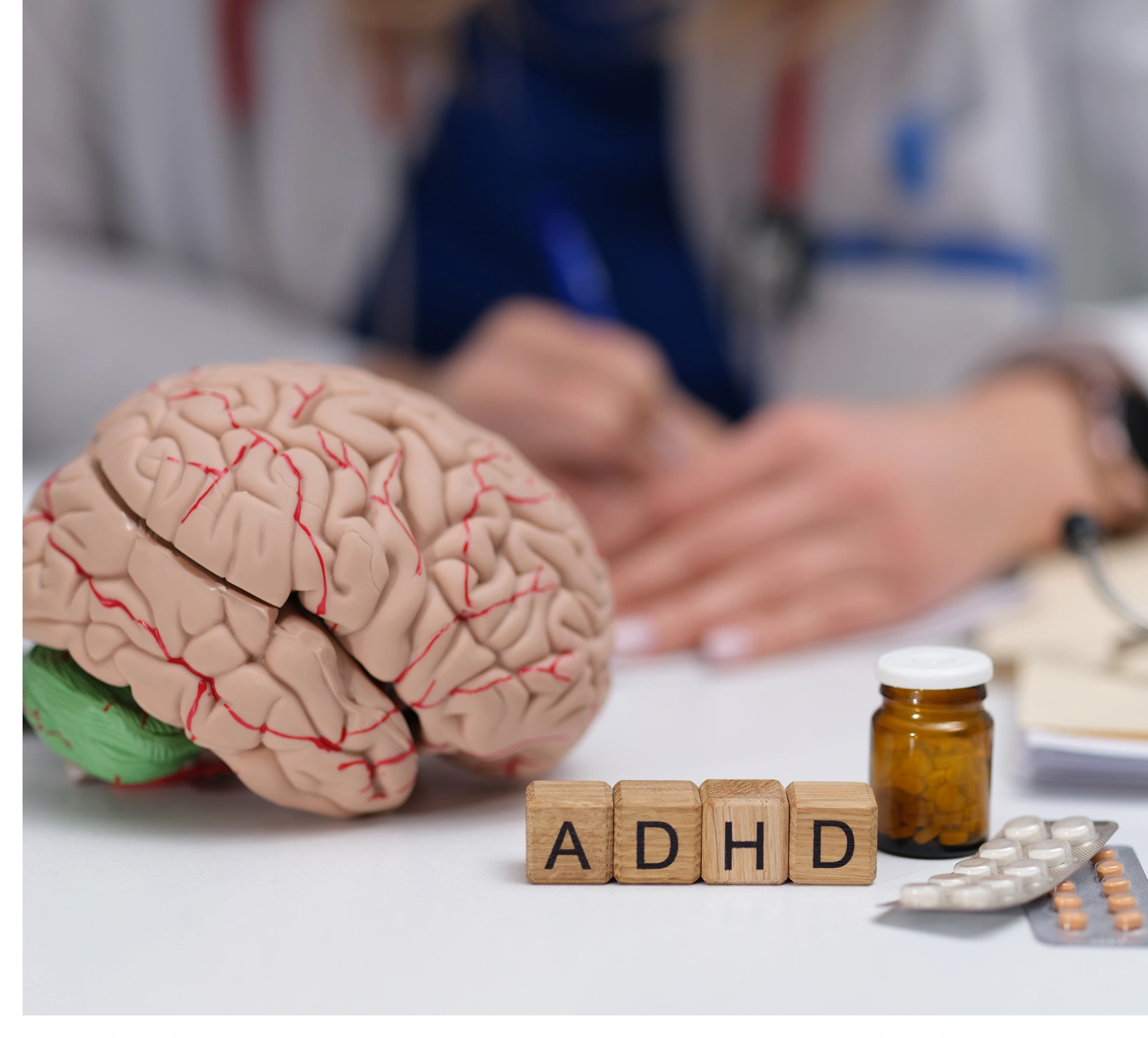
ADHD gets diagnosed late in a lot of people. Adults often arrive after a child’s diagnosis makes them recognize the same pattern in themselves. Others have spent years being told they are careless or unmotivated when the actual problem is a regulation difficulty they were born with. Dr. Sinha evaluates and treats ADHD in adults, teenagers, and children ages 3 and older by telehealth in New York, New Jersey, and Pennsylvania.
Adult ADHD looks less like restlessness and more like a life that takes constant effort to hold together. Common signs include:
Many adults have built coping systems that hide the problem for years. Those systems tend to break down when demands rise, which is why diagnosis often follows a promotion, a new baby, or a return to school.
Anxiety and depression frequently sit on top of adult ADHD, sometimes as a consequence of years of falling short. Sorting out which condition is doing what is part of the evaluation, and both the anxiety and depression pages cover that side of care.

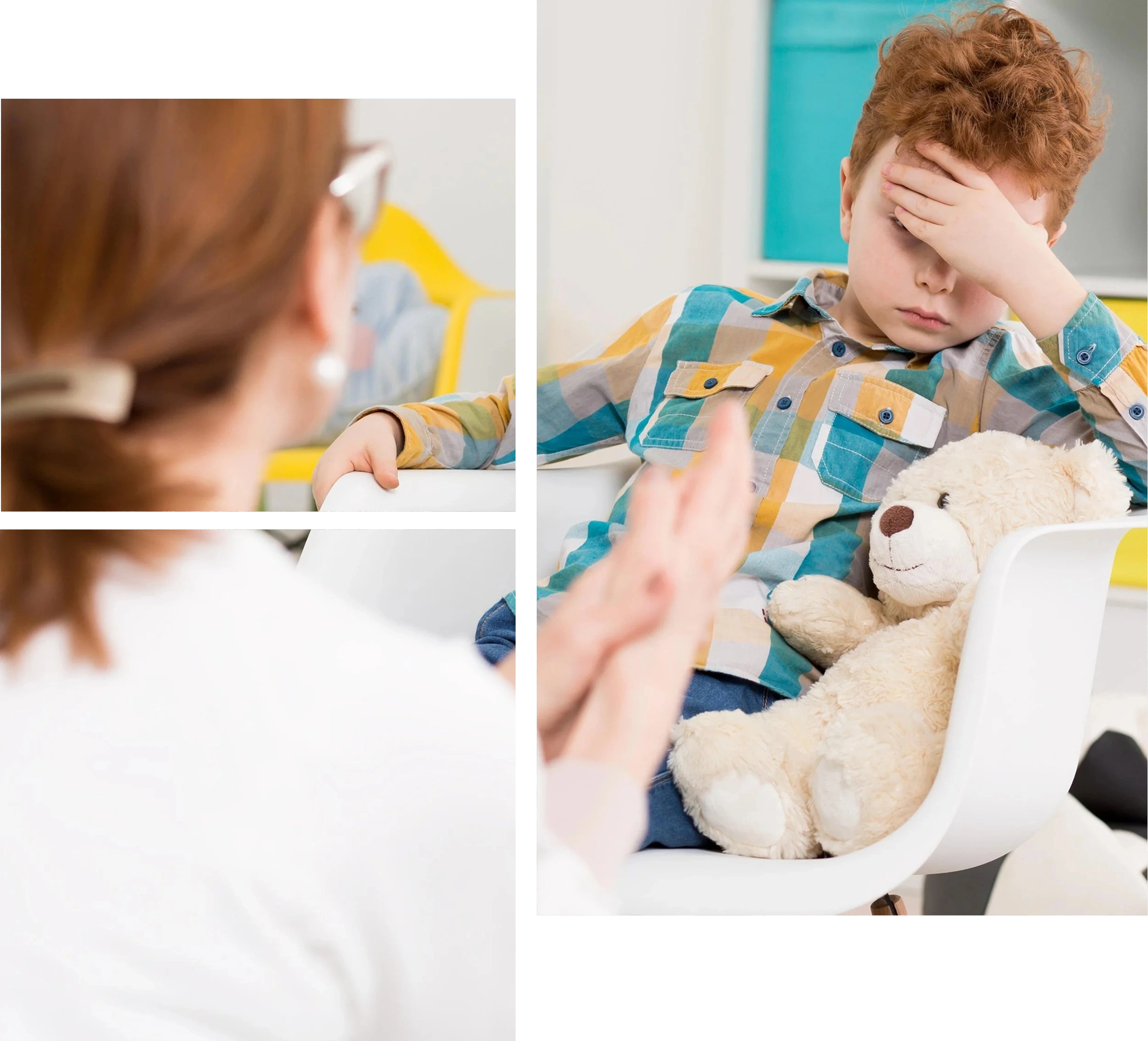
In children, ADHD shows up as:
In teenagers the picture shifts. Hyperactivity often fades into restlessness, while the organizational side gets worse as school demands increase. Missing assignments, procrastination, and a widening gap between ability and grades are common signals. Some teens, particularly girls, present as quiet and inattentive rather than disruptive, which is a large part of why they get identified later.
Not every child who cannot sit still has ADHD. Anxiety, sleep problems, learning difficulties, and hearing issues all produce similar behavior, and ruling those in or out is the reason a proper evaluation matters.

Assessment begins with a 60 to 90 minute psychiatric evaluation. ADHD is diagnosed clinically, which means it comes from history and observation rather than a single test.
Dr. Sinha reviews symptoms across settings, since ADHD has to show up in more than one place. For an adult, that means work and home. For a child, that means school and home. She also looks at when symptoms started, developmental history, medical history, sleep, and family history, and she screens for the conditions that imitate ADHD or travel alongside it.
Outside information carries weight. School reports, teacher feedback, past testing, and report cards from earlier grades all help, and adults are encouraged to bring old school records if they still have them. Where formal psychological or neuropsychological testing would add something, Dr. Sinha will refer for it.


Medication is one part of ADHD treatment. Two broad categories are used: stimulant medications and non-stimulant medications. Which one fits depends on your symptoms, your medical history, other conditions you have, and how you respond to a trial.
Dr. Sinha explains the options, the expected benefits, and the side effects before anything is prescribed. Dosing for ADHD medication is adjusted deliberately, starting low and moving up while tracking response and tolerability, so the first few weeks involve closer follow-up than later care does.
Rules for prescribing certain ADHD medications by telehealth differ from state to state and have changed several times in recent years.


ADHD treatment does not end once a dose is settled. Ongoing medication management appointments run 30 to 45 minutes and cover how the medication is working across the day, appetite, sleep, mood, and any side effects. Doses often need revisiting as children grow or as demands change in adulthood.
Sessions also cover the parts medication does not fix. Medication can improve attention and impulse control, but it does not install a system for managing a calendar or breaking down a large project. Supportive and cognitive behavioral techniques are used to build those routines.
For children and adolescents, Dr. Sinha coordinates with parents, therapists, and school teams, including support for accommodations. The child and adolescent psychiatry page covers that in more detail.
Book your complimentary 15 minute consultation and we will reach out within one business day. Call (646) 389-0538 or email [email protected].