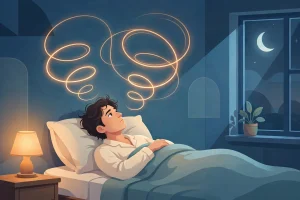

Bipolar disorder treatment works best when it is steady, personalized, and built around the pattern of your own mood episodes. Care is not a one time fix. It is an ongoing plan that a bipolar disorder psychiatrist adjusts as your symptoms, your life, and your response to medication change over time. Knowing what that care involves makes it easier to start and easier to stay with.
Treatment starts with an accurate diagnosis
Good treatment depends on getting the diagnosis right first. Bipolar disorder is often mistaken for depression because people usually reach out for help during a low period, not during a high one. A full evaluation looks at your mood history, your sleep and energy, your family history, and any past reactions to antidepressants. If you are still sorting out what you are dealing with, it helps to read how to know if you have bipolar disorder before your first appointment. An accurate diagnosis shapes every treatment choice that follows, so it is worth the time.
Medication is the foundation of care
Medication is a central part of bipolar care, and it works best alongside therapy, regular monitoring, and a plan built around your own history. Mood stabilizers such as lithium and certain anticonvulsants help level out the swings between highs and lows. Some atypical antipsychotics are used to settle mania or to hold mood steady over the long term. The aim is to reduce how often episodes happen and how strong they get, while keeping side effects low enough to live with. Finding the right medication or combination can take adjustments over time.
Antidepressants are handled with extra care in bipolar disorder. On their own they can sometimes push a person toward mania, so they are usually paired with a mood stabilizer when they are used at all. This is one of the main reasons the diagnosis matters so much, and it is covered in more detail in bipolar depression vs depression.
Monitoring and dose adjustments over time
Bipolar medication needs follow up, not just a refill. Lithium, for example, calls for periodic blood tests to keep the level in a safe range and to check kidney and thyroid function. Other medications carry their own monitoring needs. Regular medication management visits give your psychiatrist a chance to track how you are doing, catch early signs of a mood shift, and adjust the dose before a small change grows into a full episode. Longer visits leave room to talk through side effects and daily life, not only lab numbers.
What the first few weeks look like
The early weeks of treatment are about getting a baseline and starting medication at a careful dose. Your psychiatrist will usually begin low and raise the dose step by step, checking how you respond along the way. It can take several weeks for a mood stabilizer to show its full effect, so patience during this stretch pays off. Keeping a simple daily note of your sleep, mood, and energy gives both of you something concrete to review at each visit, and it makes dose decisions easier.
Side effects are managed, not ignored
Every psychiatric medication can bring side effects, and part of good care is handling them openly. Some settle on their own within the first week or two as your body adjusts. Others, such as weight changes, tremor, or feeling slowed down, may call for a dose change or a switch to a different medication. The right approach is to report side effects early rather than stopping on your own, since an abrupt stop can set off a mood episode. A plan that keeps you well with side effects you can live with is always the target, and reaching it is a shared process between you and your psychiatrist.
Therapy and daily habits support the medication
Medication can help stabilize mood symptoms, while daily structure and therapy support long-term stability. Sleep has a strong effect on mood in bipolar disorder, so a regular sleep schedule is one of the most useful habits a person can build. Talk therapy adds another layer. Cognitive behavioral techniques help with the heavy thoughts that come with depression, and routine focused approaches help keep days predictable. Learning to spot your own early warning signs, such as needing less sleep or feeling unusually driven, lets you act before a full episode takes hold. Psychoeducation, which simply means learning how the condition works, is a treatment in its own right, and family focused therapy brings relatives into that learning so the people around you can recognize the signs and offer support.
Care differs across bipolar I, bipolar II, and bipolar depression
Treatment is not identical for everyone. Bipolar I involves full manic episodes, so preventing mania is a central aim. Bipolar II involves hypomania and often long, heavy depressive periods, so the depressive side tends to need more attention. Bipolar depression, the low phase of either type, responds to a different approach than ordinary depression does. A plan that fits your type and your history will always work better than a one size approach.
Care during severe episodes
Most bipolar care happens in regular outpatient visits, but severe episodes sometimes need more. A full manic episode with risky behavior, or a deep depression with thoughts of suicide, can call for a higher level of care, including a short hospital stay to keep a person safe while medication is adjusted. For severe depression or mania that does not respond to medication, electroconvulsive therapy, known as ECT, is an effective option delivered under medical supervision. These steps are not the common path, but it helps to know they exist and that they work when they are needed.
Special situations that change the plan
Some circumstances shape how bipolar disorder is treated. Pregnancy and the postpartum period raise the stakes, since some medications carry risk during pregnancy while stopping treatment raises the risk of a severe episode, so decisions are made case by case with the benefits and risks weighed together. Substance use is another factor, because alcohol and recreational drugs can trigger episodes and interfere with medication, so treating the two together gives the best result. Other medical conditions and the medications used for them can interact as well, which is why a full history matters at the start of care.
Long term management and relapse prevention
Bipolar disorder is a long term condition, and the point of treatment is stability over years, not only getting through the current episode. Many people do well for long stretches once the right plan is in place. Staying on medication during the good periods is what keeps those periods going, since stopping is one of the most common reasons symptoms return. A steady relationship with the same psychiatrist makes relapse prevention easier, because small changes get noticed sooner and handled faster.
Getting started with care
Starting care is simpler than it looks. The first step is a full evaluation, followed by a plan you understand and agree with. Care is available by telehealth for patients in New York, New Jersey, and Pennsylvania, so visits fit around work and family without travel. You can book a free 15 minute consultation to talk through your situation and decide on the next step.