
ADHD does not always look the way people expect, and in women it is often missed or recognized later. Many women reach adulthood without a diagnosis because their symptoms are quieter than the hyperactive picture most people have in mind. Recognizing how ADHD actually shows up in women is the first step toward getting the right help from an ADHD psychiatrist and finally having the pattern make sense.
Why ADHD gets missed in women
For years, ADHD was studied mostly in boys, and the image stuck. Women are more likely to have the inattentive type, which is less disruptive and easier to overlook. Many girls learn to mask their struggles, working twice as hard to keep up and hiding the effort. Parents and teachers rarely flag a girl who is quiet and anxious rather than loud and restless. The result is that many women are not diagnosed until their thirties or forties, often after a child is diagnosed and the pattern suddenly looks familiar.
The signs that tend to show up
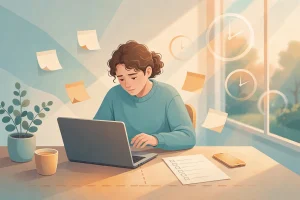
ADHD in women often looks like a constant mental load rather than obvious hyperactivity. Common signs include trouble starting or finishing tasks, losing track of time, forgetfulness, an organizing system that never quite holds, and a mind that jumps from one thing to the next. Many women describe being overwhelmed by daily logistics, feeling like they are always catching up, and relying on last minute pressure to get anything done. The effort it takes to look organized is draining and usually invisible to everyone else.
The emotional side matters too
The emotional part of ADHD is often the loudest for women, even though it gets less attention. Many describe strong reactions to stress, quick frustration, sensitivity to criticism or rejection, and mood that rises and falls with the demands of the day. These feelings are easy to label as anxiety or depression, and the two often sit alongside ADHD, which further muddies the picture. When mood and focus problems appear together, it is worth asking if ADHD is part of it, which is covered in ADHD medication for adults with anxiety.
Hormones change the picture
Some women report changes in ADHD symptoms across reproductive stages, and hormonal shifts may be one factor. Many notice that focus and mood feel harder in the days before a period, during the postpartum months, and through perimenopause. The exact mechanism is still being studied, but this overlap with reproductive health is one reason ADHD in women sits within broader women’s mental health care.
Why a late diagnosis still helps
Getting diagnosed as an adult can bring a mix of relief and grief, relief at finally having an explanation and grief for the years spent thinking it was a personal failing. A diagnosis is not a label to carry around. It is a starting point for treatment that can make daily life lighter. Many women say the biggest change after diagnosis is self understanding, the end of blaming themselves for struggles that had a real cause all along.
How ADHD is diagnosed in adults
There is no single test for ADHD. A diagnosis comes from a careful history that looks at symptoms across your life, not just today, along with how they affect work, relationships, and daily tasks. A good evaluation also accounts for anxiety, depression, and thyroid or sleep problems that can look similar. Bringing examples from both childhood and now helps, since ADHD starts early even when it is recognized late in life.
Labels that often come first
Before ADHD is recognized, many women collect other labels. Anxiety and depression are the most common, partly because they often coexist with ADHD and partly because the restlessness and low mood of unmanaged ADHD can look like them. Some women are told they are simply stressed, disorganized, or not trying hard enough. Treatment aimed only at the anxiety or depression can help a little, but it tends to fall short, because it misses the attention problems underneath. When treatment for something else keeps coming up short, ADHD is one of the things worth checking.
What daily life can look like
The day to day weight of ADHD in women is often hidden. It can mean a phone full of half written reminders, a home that swings between tidy and chaotic, bills paid late despite the money being there, and a running sense of guilt about all of it. Many women hold things together at work through sheer effort and then have nothing left for home, or the reverse. Recognizing these patterns as part of a condition, rather than character flaws, is often the first relief that comes with an accurate diagnosis.
Getting help
If these patterns sound familiar, an evaluation can give you answers and options. Treatment usually combines medication, practical strategies, and support, and it can be handled by video, as described in getting ADHD treatment by telehealth. Care is available across New York, New Jersey, and Pennsylvania, and you can start with a free 15 minute consultation to talk through what you are noticing.